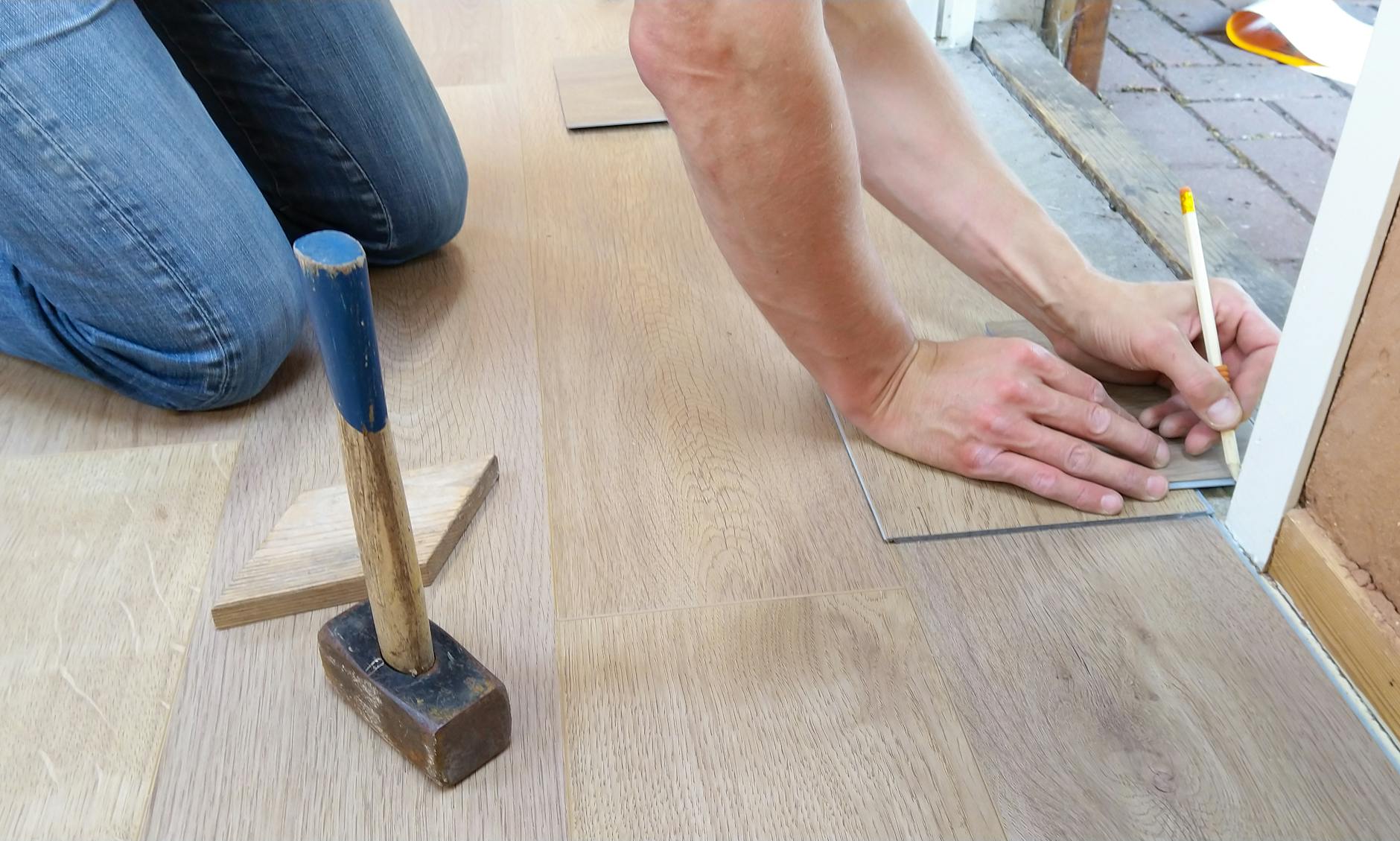
Choosing Your Warrior: Demystifying Hardwood Types & Finishes (The Pro/Con of Solid vs. Engineered, What 'Janka Hardness' Actually Means, and Why You Can't Ignore Your Subfloor)
Choosing the right hardwood for your space is akin to selecting a warrior for battle – you need to understand their strengths and weaknesses. The primary decision often boils down to solid vs. engineered hardwood. Solid hardwood, as its name suggests, is a single, continuous piece of wood, offering unparalleled longevity and the ability to be refinished many times over. However, it's more susceptible to moisture fluctuations, making it less ideal for basements or radiant heat systems. Engineered hardwood, on the other hand, consists of multiple layers of wood, with a real hardwood veneer on top. This layered construction provides superior stability against humidity and temperature changes, making it a versatile choice for various environments, including those where solid wood might warp or buckle. While it can be refinished, the number of times depends on the thickness of its top veneer layer.
Beyond the fundamental construction, understanding terms like 'Janka Hardness' is crucial. The Janka scale measures the resistance of a sample of wood to denting and wear, essentially indicating how 'hard' the wood is. Higher Janka ratings, like those of Brazilian Cherry or Hickory, mean greater durability against everyday impacts and scratches, which is especially important in high-traffic areas or homes with pets. Conversely, softer woods like Pine or American Cherry, while beautiful, will show wear more readily. Finally, you absolutely cannot ignore your subfloor. It's the foundation upon which your beautiful hardwood rests, and any imperfections – moisture issues, unevenness, or structural weaknesses – will directly impact the performance and longevity of your new flooring. Proper subfloor preparation, including leveling and moisture testing, is a non-negotiable step for a successful and lasting hardwood installation.
Artistic Hardwood Floors transform ordinary spaces into breathtaking showcases of craftsmanship and design. With a keen eye for detail and a passion for quality, Artistic Hardwood Floors offers bespoke flooring solutions that elevate the beauty and value of any home. Their commitment to excellence ensures each project is a unique work of art, reflecting both the client's vision and the timeless elegance of hardwood.
Laying the Foundation: Prepping for Success & Avoiding Common Pitfalls (Acclimation Explained, Mastering Your Underlayment, and When to Call a Pro vs. DIY)
Before even thinking about laying that first plank of new flooring, you need to understand the critical concept of acclimation. This isn't just a suggestion; it's a non-negotiable step for most flooring types, especially engineered wood and laminate. Acclimation allows your new flooring materials to adjust to the specific temperature and humidity levels of your home, preventing issues like gapping, cupping, or warping down the line. Imagine bringing a cold glass into a warm room – condensation forms. Similarly, flooring that hasn't acclimated can absorb or release moisture, leading to dimensional instability. Typically, this involves unboxing and spreading out the materials in the installation area for anywhere from 48 hours to a week, depending on the manufacturer's guidelines and the product type. Ignoring this foundational step is a common pitfall that can lead to costly and frustrating problems that are often irreparable.
Once your flooring is properly acclimated, the next crucial decision revolves around your underlayment. This often-overlooked layer plays a vital role in the longevity and performance of your new floor, offering benefits like moisture protection, sound deadening, and even thermal insulation. The type of underlayment you choose depends heavily on your subfloor and the flooring material itself. For instance, a vapor barrier is essential over concrete slabs, while cork underlayment is excellent for noise reduction under hardwood. Don't simply grab the cheapest option; research manufacturer recommendations and consider your specific needs. While some underlayment installations can be a confident DIY project, especially with click-together systems, understanding when to call a professional is key. If your subfloor requires extensive leveling, moisture mitigation beyond a simple barrier, or if you're dealing with radiant heating systems, a professional's expertise will ensure proper installation and avoid future headaches.