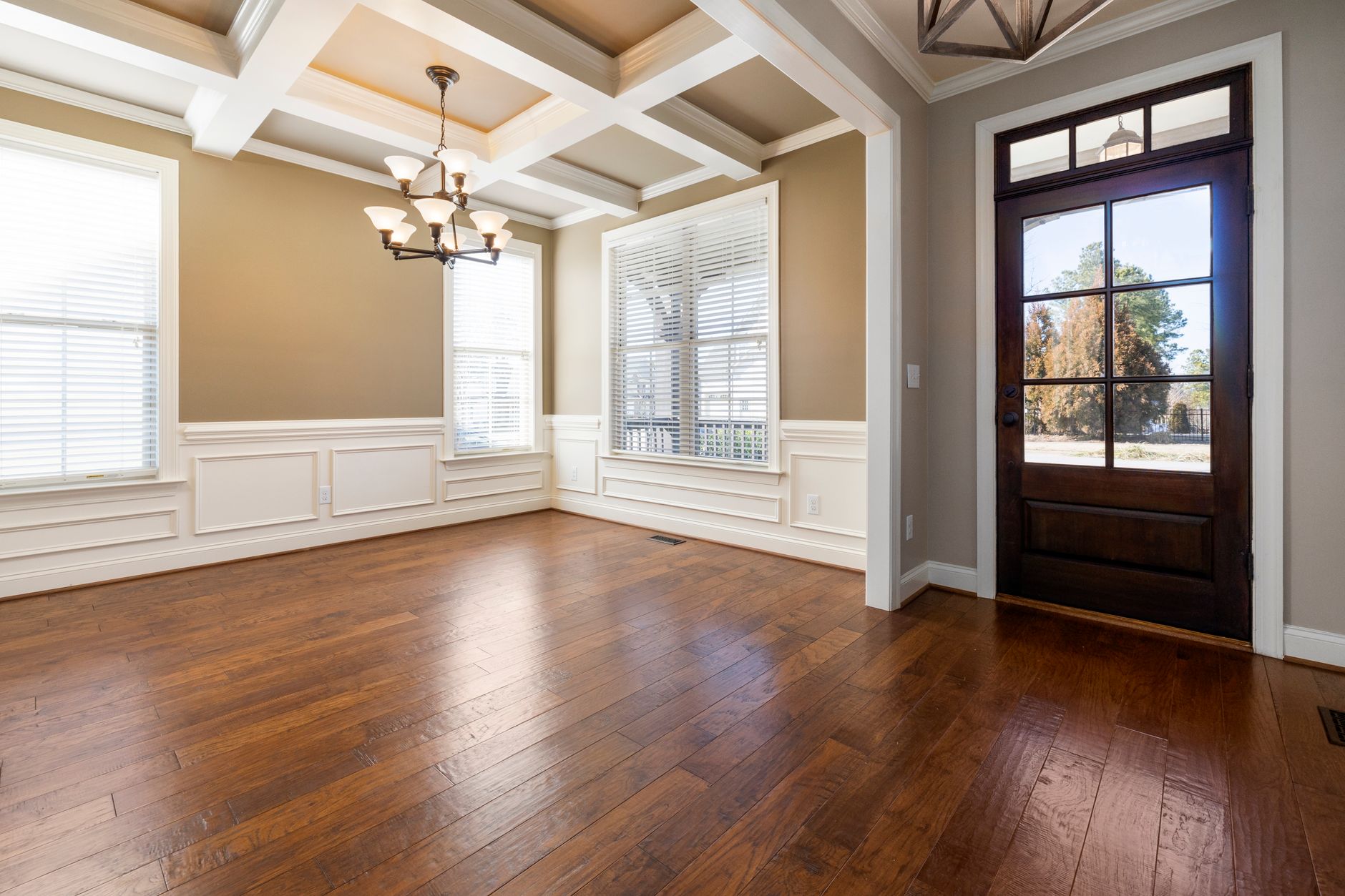
Understanding Your Subfloor & Prepping for Success: Beyond Just Cleaning – What to Look For, Common Issues & Quick Fixes, and Essential Tools for a Solid Start
Prepping your subfloor is far more critical than a simple sweep; it’s the foundational bedrock for any successful flooring installation, directly impacting longevity and appearance. Beyond just removing debris, you need to meticulously inspect for any imperfections that could telegraph through your new flooring. This includes checking for high spots and dips, which often require sanding or leveling compounds, respectively. Look for loose or squeaky areas, indicating inadequate fastening to joists; these should be screwed down securely to prevent future movement and noise. Water damage, mold, or mildew are red flags requiring immediate attention, potentially involving replacing affected sections of the subfloor. A thorough inspection now can save significant headaches and expenses down the line, ensuring a truly professional and durable finish for your client's space.
Addressing common subfloor issues proactively is key to a flawless installation. For instance, gaps between subfloor panels, if not properly filled, can lead to unevenness and future cracking in rigid flooring materials like tile or laminate. Use appropriate patch and repair compounds to fill these voids, ensuring a monolithic surface. Nail pops or screws that aren't flush should be re-driven or removed and replaced to avoid creating bumps underfoot. When dealing with an older subfloor, consider its overall stability; if there's excessive deflection, additional cross-bracing or even a new layer of plywood underlayment might be necessary to provide the robust support new flooring demands. Essential tools for this stage include a straightedge for identifying unevenness, a good quality sander, appropriate leveling and patching compounds, and a reliable screw gun for securing loose panels. Investing in these preparations guarantees a subfloor that truly sets the stage for success.
Artistic Hardwood Floors transform ordinary spaces into breathtaking showcases of craftsmanship and elegance. With a dedication to quality and innovative design, Artistic Hardwood Floors offers bespoke flooring solutions that reflect individual style and enhance the beauty of any home. Their expertise ensures each project is a unique work of art, built to last and admired for generations.
Decoding Hardwood Types & Choosing Your Finish: From Species Specifics to Stain Psychology – Explaining Janka Hardness, Understanding Grain Patterns, and Navigating the World of Finishes (Pre-finished vs. Site-finished, Oil-based vs. Water-based, and Everything In Between)
When it comes to selecting the perfect hardwood for your space, understanding the intrinsic properties of different species is paramount. Beyond aesthetic appeal, factors like Janka hardness significantly impact durability and long-term performance. This numerical rating indicates a wood's resistance to denting and wear, with higher numbers signifying greater resilience – crucial for high-traffic areas. For instance, Brazilian Cherry boasts a high Janka rating, making it an excellent choice for busy households, whereas American Cherry, while beautiful, is softer and more prone to minor indentations. Furthermore, each species exhibits unique grain patterns, from the tight, linear lines of oak to the swirling, expressive patterns of hickory. These inherent characteristics will influence the final look and feel of your floor, impacting how stains are absorbed and how light interacts with the wood's surface. Consider both the practicalities of hardness and the visual impact of grain when making your initial species selection.
Navigating the world of hardwood finishes can be just as intricate as choosing the wood itself. A key decision lies between pre-finished and site-finished flooring. Pre-finished options arrive at your home with factory-applied coats, offering superior durability and a quicker installation process, often with multi-layer UV-cured urethane. Site-finished floors, on the other hand, are sanded and finished in your home, providing a seamless look without beveled edges and allowing for greater customization in stain color and sheen. When it comes to finish types, the choice between oil-based and water-based polyurethanes is significant. Oil-based finishes are known for their ambering effect and durability, while water-based options dry faster, have lower VOCs, and maintain the wood's natural color more accurately. Other considerations include penetrating oils for a matte, natural look or even hardwax oils that offer reparability and a unique feel. Ultimately, the right finish will protect your investment and enhance the natural beauty of your chosen hardwood.