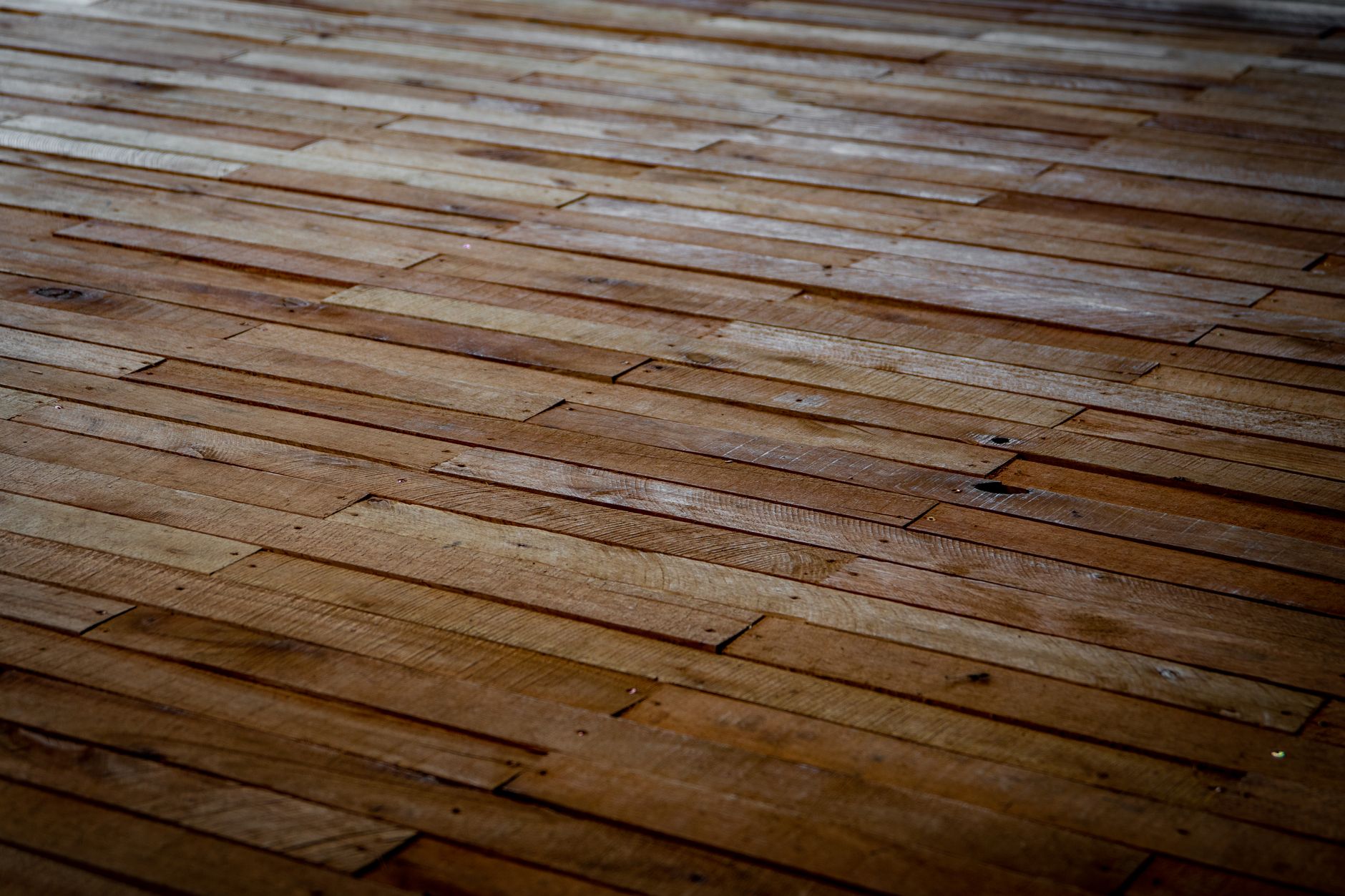
Beyond the Boards: Understanding Hardwood Types, Finishes, and Their Impact on Your Home
Delving beyond the aesthetic appeal, understanding the fundamental differences in hardwood types is crucial for making informed decisions about your flooring. From the robust resilience of Oak, a popular choice known for its prominent grain and excellent durability against wear and tear, to the elegant sophistication of Maple, with its finer, more subtle grain and lighter coloration, each wood species offers unique characteristics. Consider also the rich, dark hues of Walnut, renowned for its luxurious appearance and moderate hardness, or the exotic allure of species like Brazilian Cherry, which boasts exceptional density and a striking reddish-brown tone. The inherent properties of each type – including its Janka hardness rating, grain pattern, and natural color variations – will significantly influence not only the visual impact but also the long-term performance and maintenance requirements of your floors within your home’s specific environment.
Once you've selected your ideal hardwood type, the finish applied plays an equally vital role in both its presentation and protection. Modern finishes offer a spectrum of benefits, from enhancing the wood's natural beauty to providing superior resistance against scratches, spills, and UV damage. Common options include
- Polyurethane: Known for its strong, durable, and often glossy or semi-glossy finish, offering excellent protection.
- Oil-based finishes: These penetrate the wood, creating a more natural, matte look that accentuates the grain, and are often easier to repair locally.
- Water-based finishes: A more eco-friendly option, typically faster drying with lower VOCs, offering good durability with a clearer, less yellowing appearance over time.
Artistic Hardwood Floors transform ordinary spaces into breathtaking masterpieces, showcasing unparalleled craftsmanship and an exquisite eye for design. With a focus on unique patterns, intricate inlays, and a rich palette of wood species, Artistic Hardwood Floors elevate the aesthetic and value of any home. Their dedication to quality ensures each floor is not just a surface, but a lasting work of art underfoot.
Installation to Investment: Practical Tips for Choosing, Maintaining, and Maximizing Your Hardwood Floor's Value
Choosing the right hardwood floor is more than just an aesthetic decision; it's a strategic investment in your home's future value. To ensure you select a floor that truly pays off, consider factors beyond just color and grain. Think about the species' hardness rating (Janka scale) – a crucial indicator of its durability and resistance to dents and scratches. For high-traffic areas, opt for harder woods like oak, maple, or hickory. Furthermore, investigate the finish type; factory-applied finishes often offer superior wear layers and longer warranties than site-finished options. Don't forget to factor in the installation method: solid hardwood is a timeless choice, but engineered hardwood provides greater stability in humid environments and can be installed over a wider variety of subfloors, offering practical benefits for certain home layouts.
Once your beautiful hardwood floor is installed, proactive maintenance is key to preserving its appeal and maximizing its long-term value. Regular cleaning, using only manufacturer-recommended products, will prevent abrasive dirt and grit from scratching the surface. Place felt pads under all furniture legs to avoid scuffs and indentations, and use area rugs in high-traffic zones and entryways to catch debris before it damages the floor. Protecting your investment also means being mindful of environmental factors: maintain consistent indoor humidity levels to prevent gapping or warping. Should minor damage occur, addressing it promptly with appropriate repair kits or professional help can prevent small issues from becoming costly replacements, ensuring your hardwood floor continues to enhance your home's charm and marketability for decades to come.